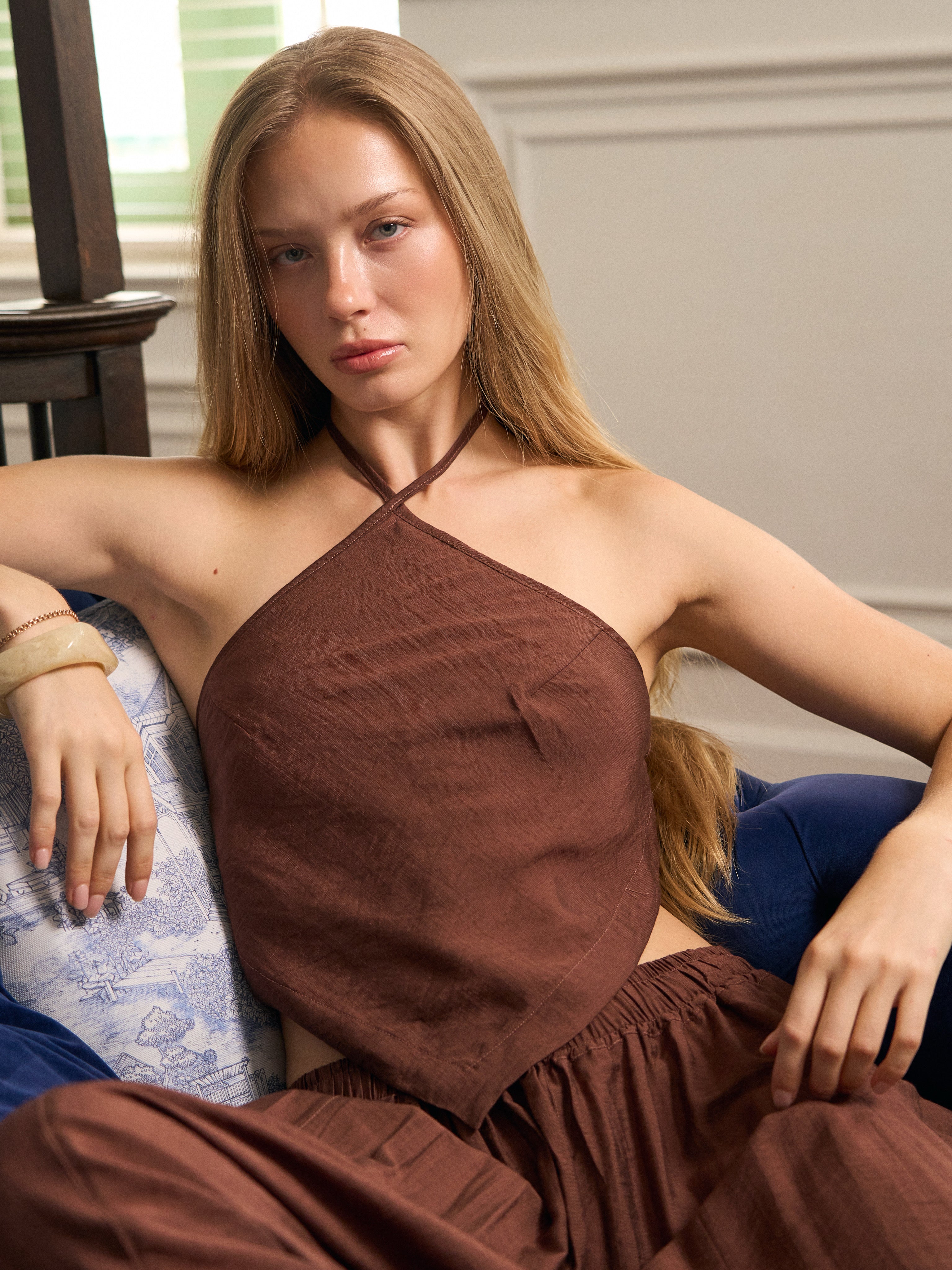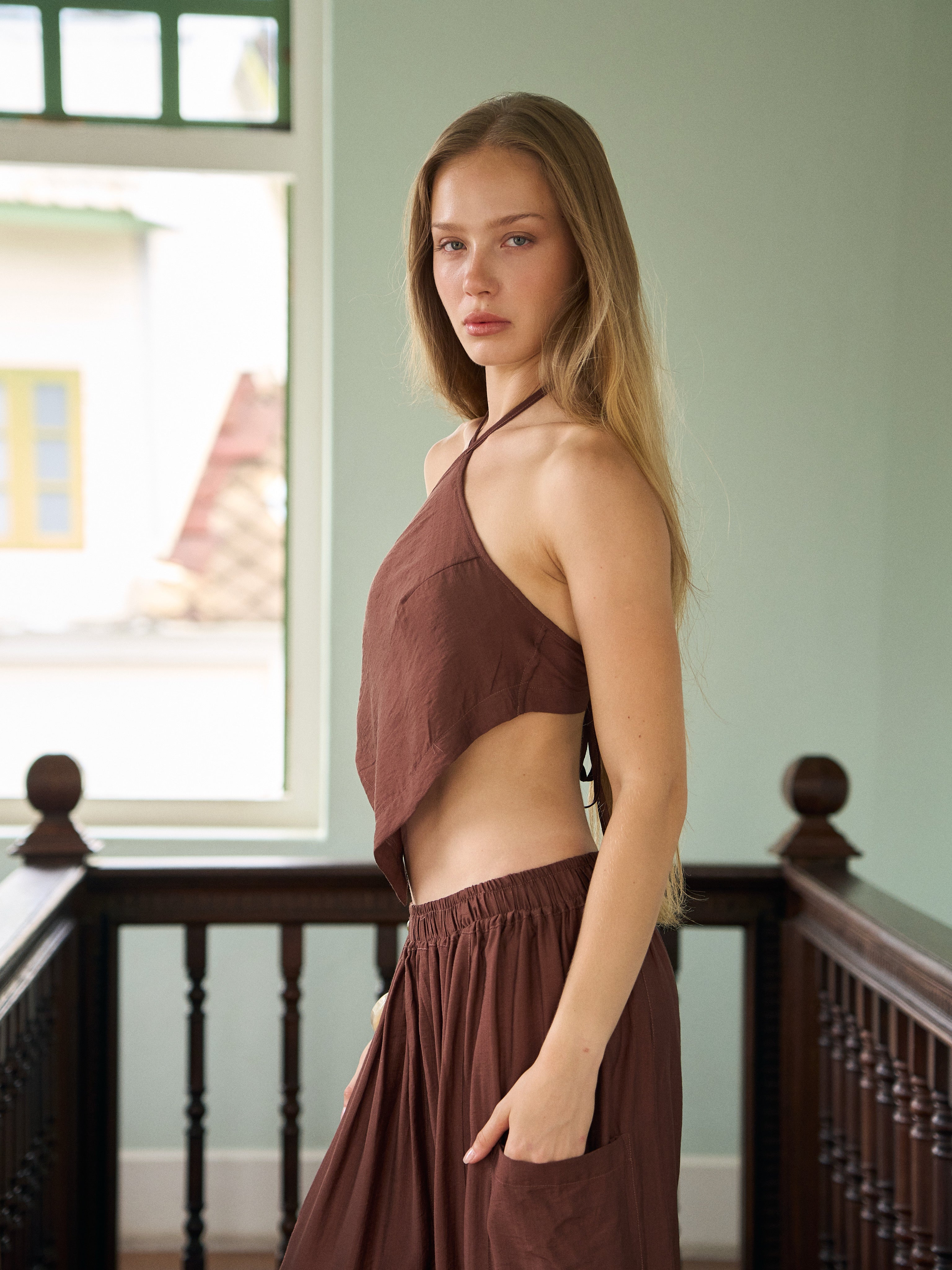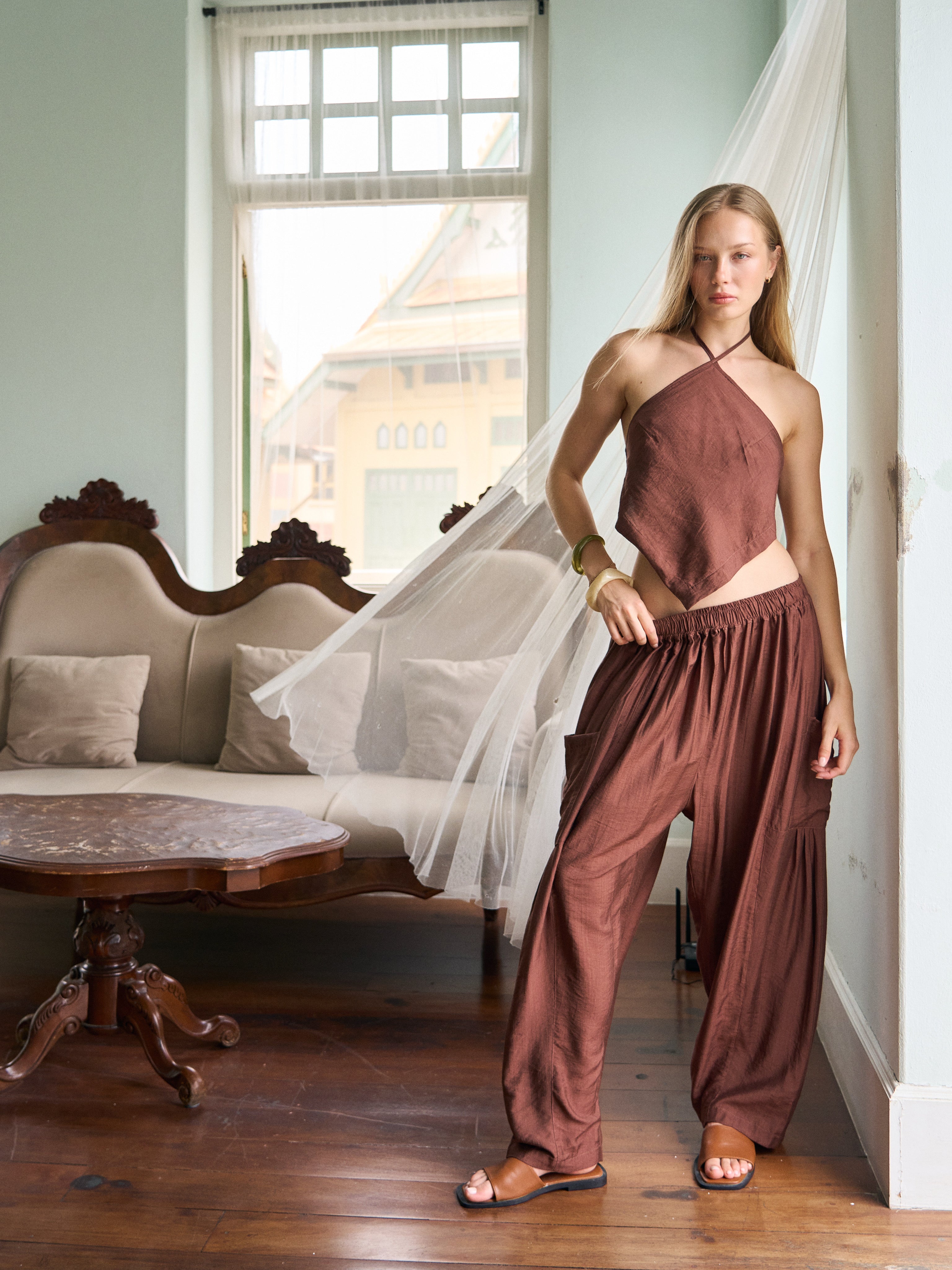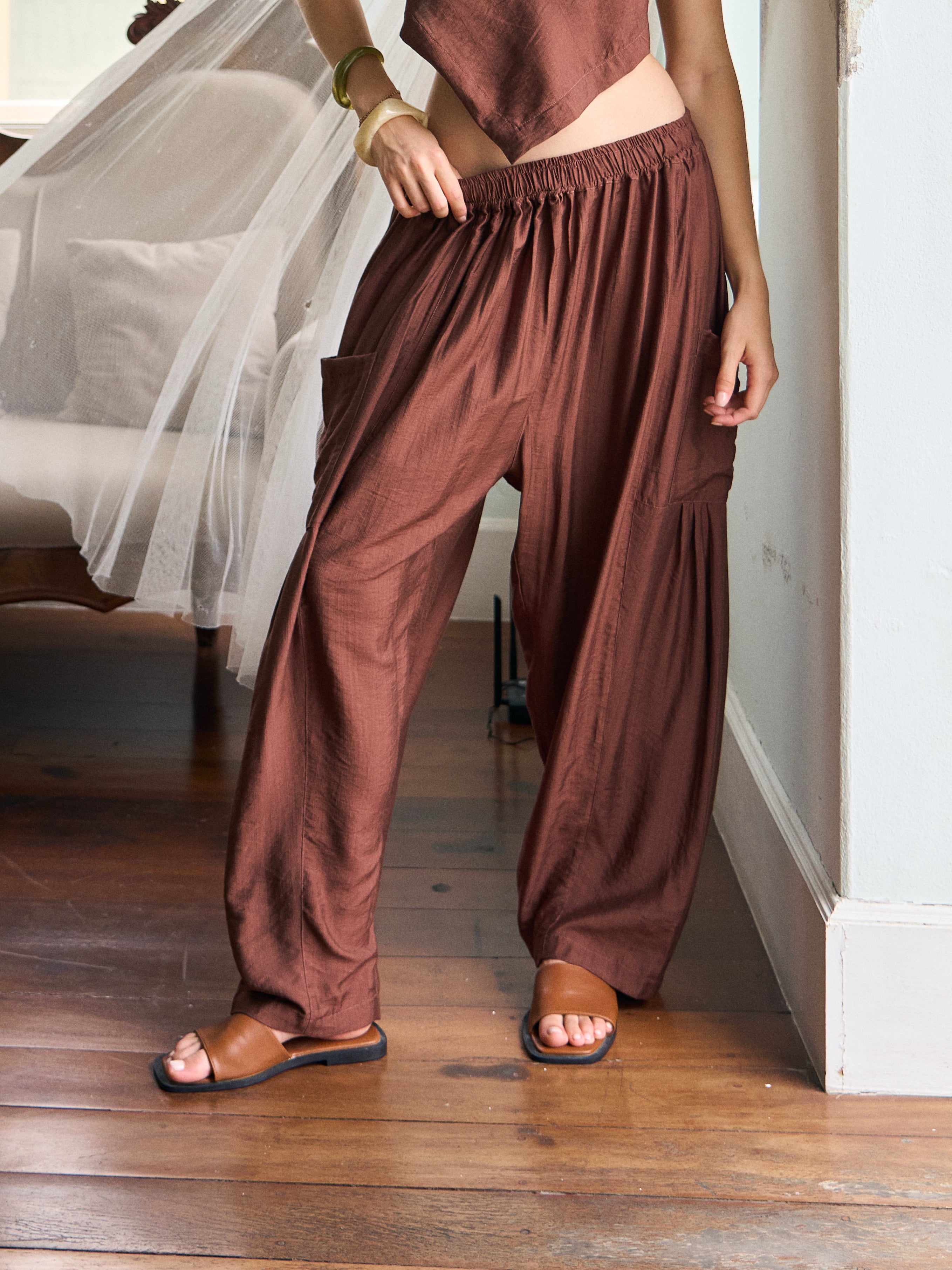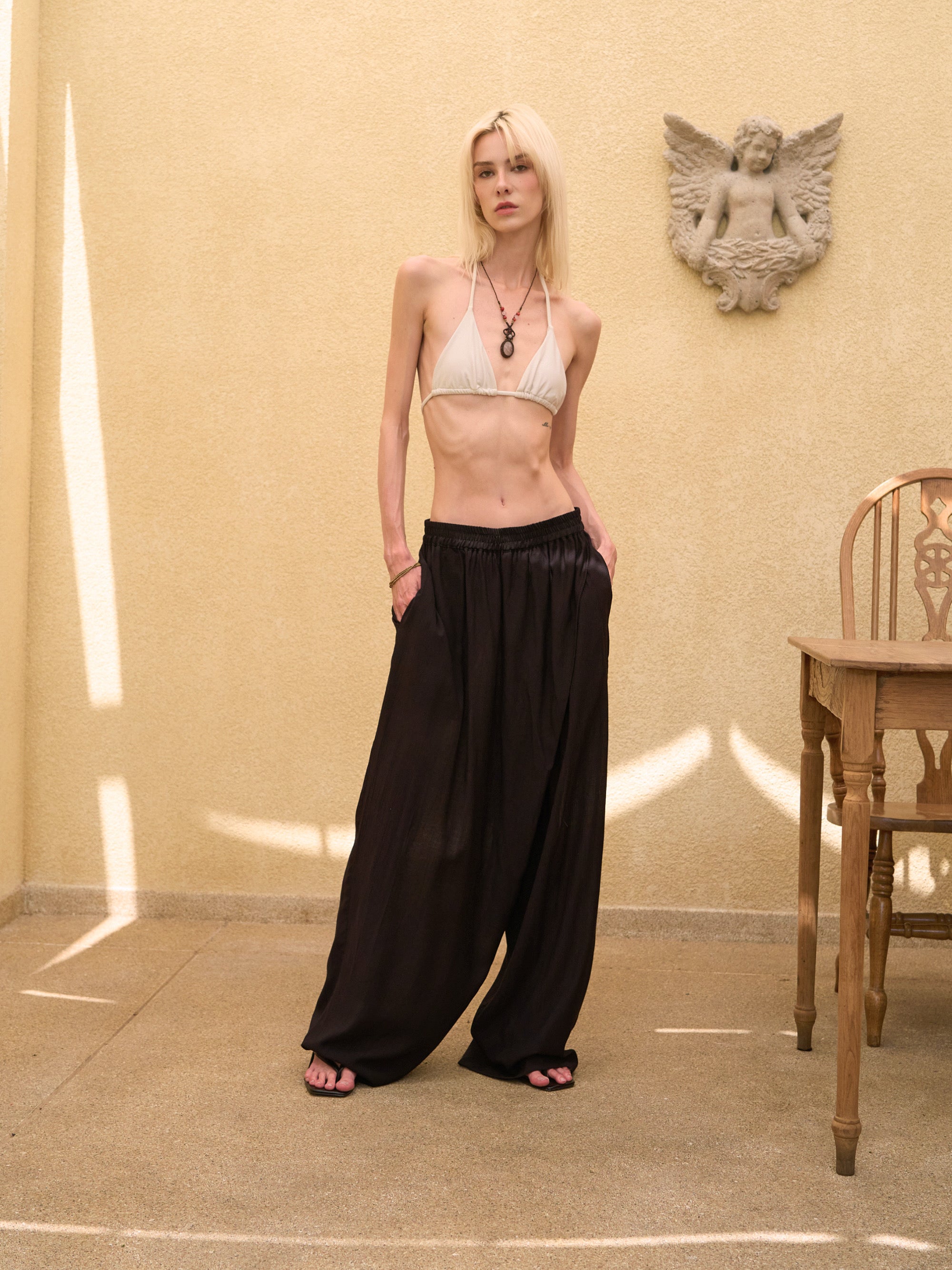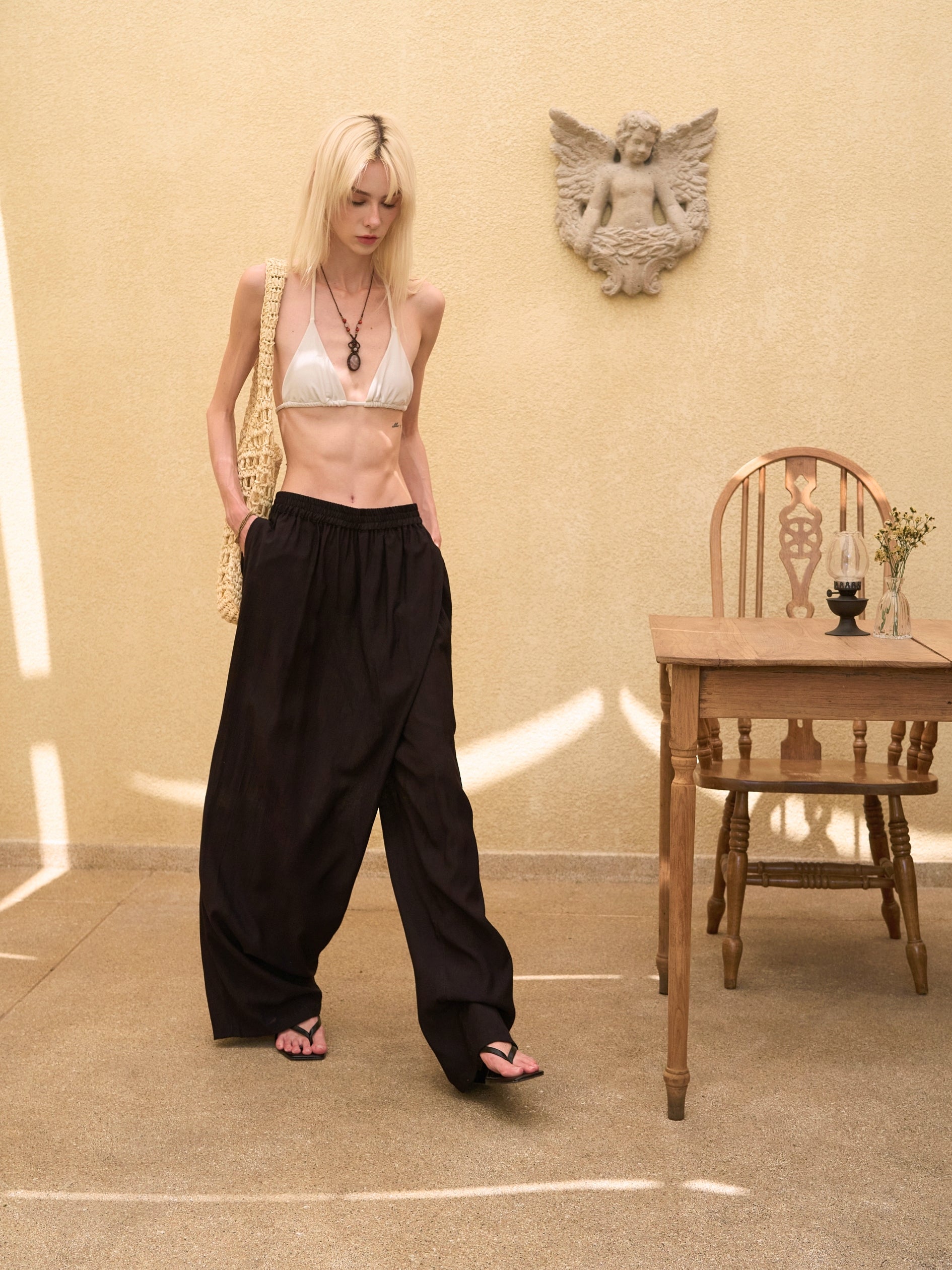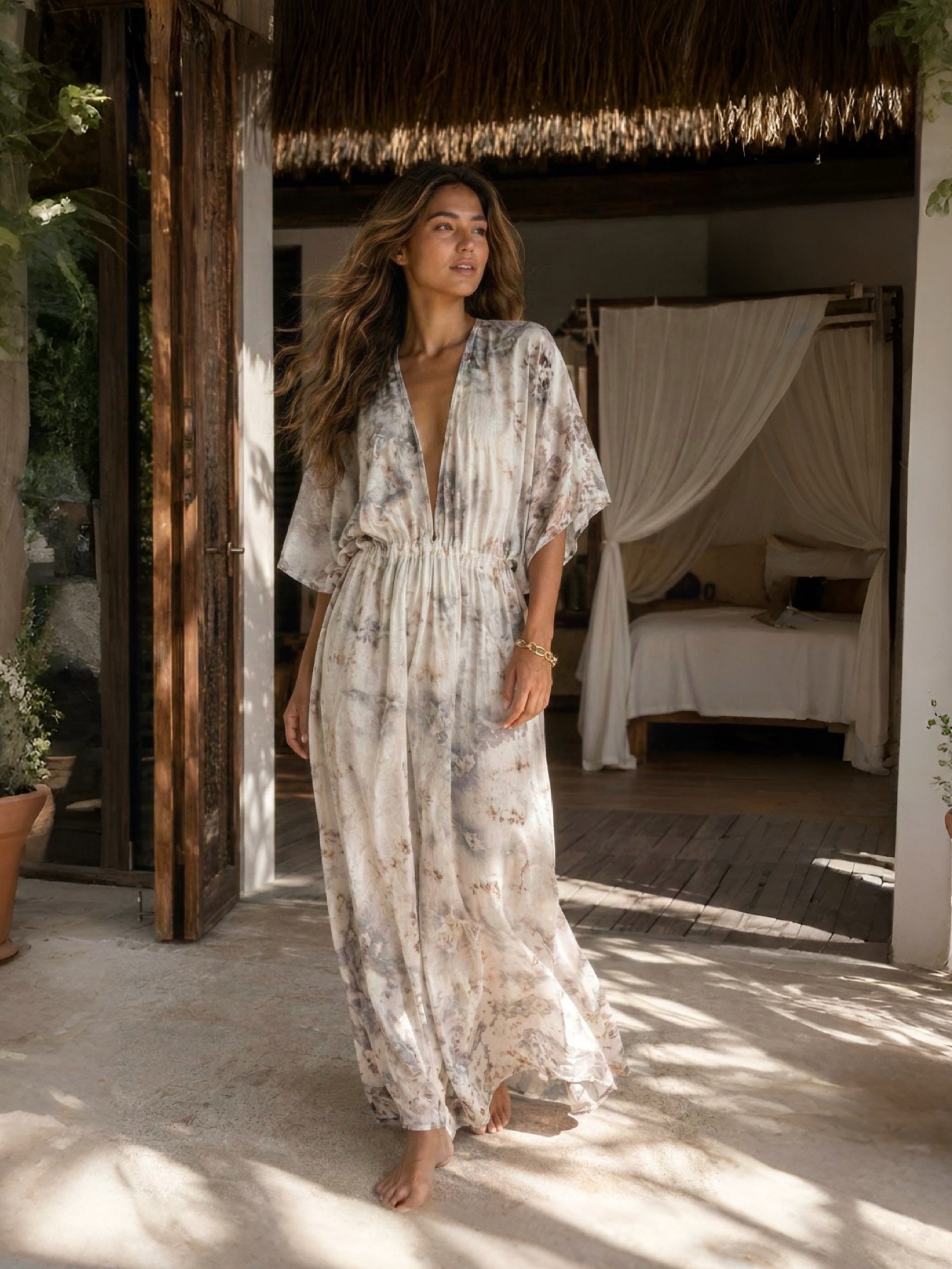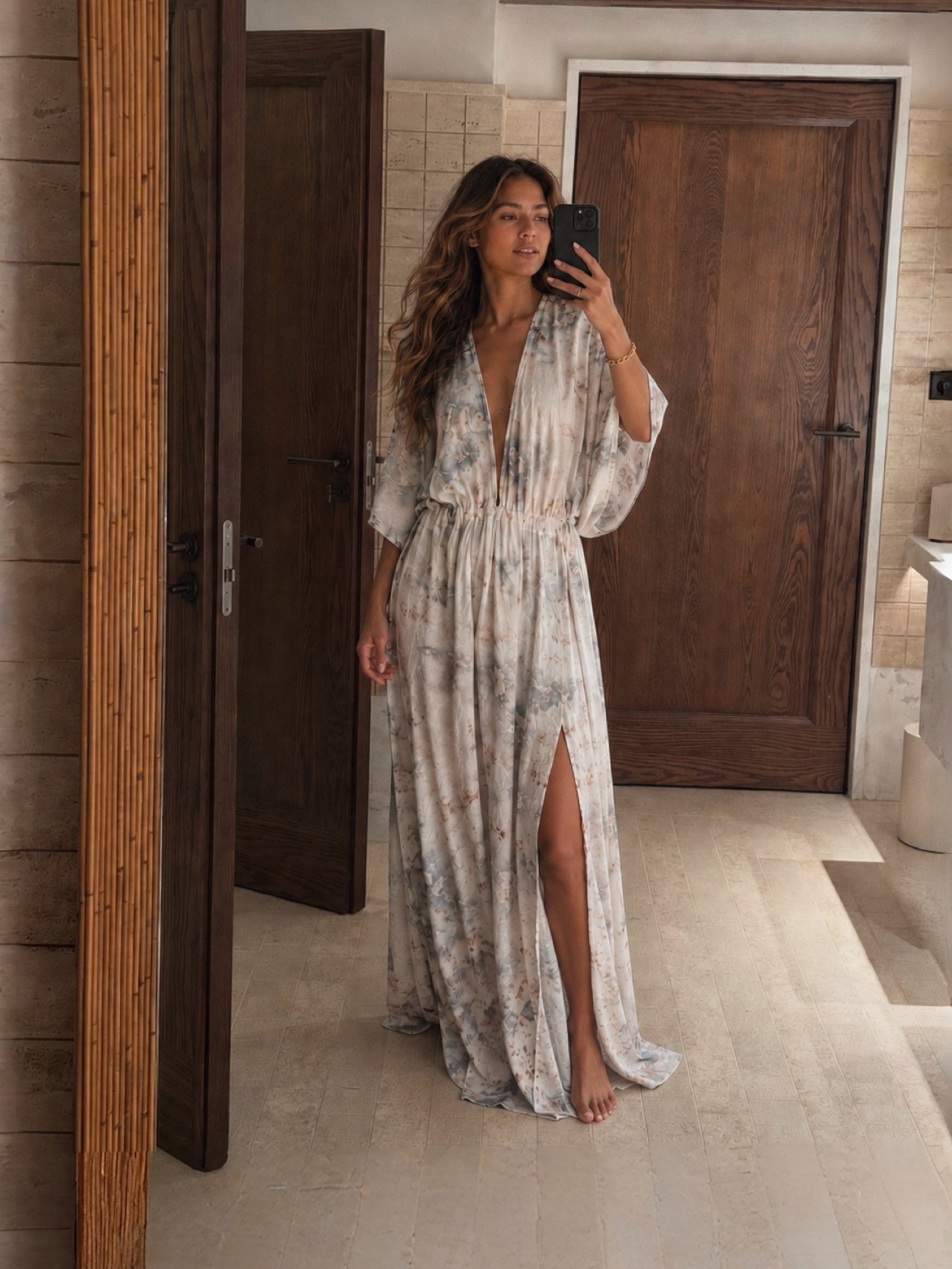




Meet the Makers Behind Coco de Chom
Coco de Chom works with a small group of makers, fabric specialists and dressmakers primarily in Thailand. These are the people behind our small-batch resortwear—and how we work together.
The best vacation pieces do one simple thing: you put one on and already feel dressed.
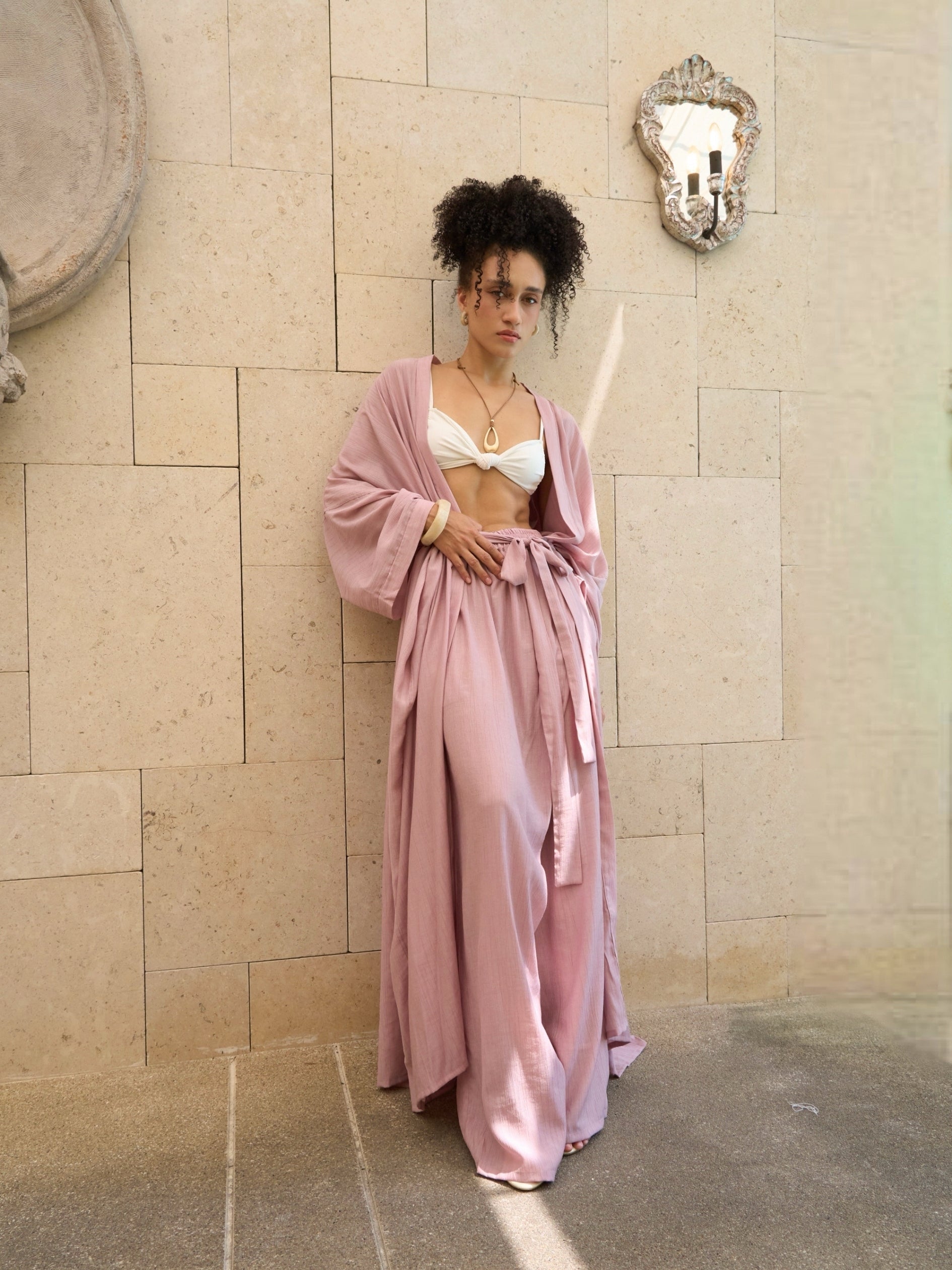
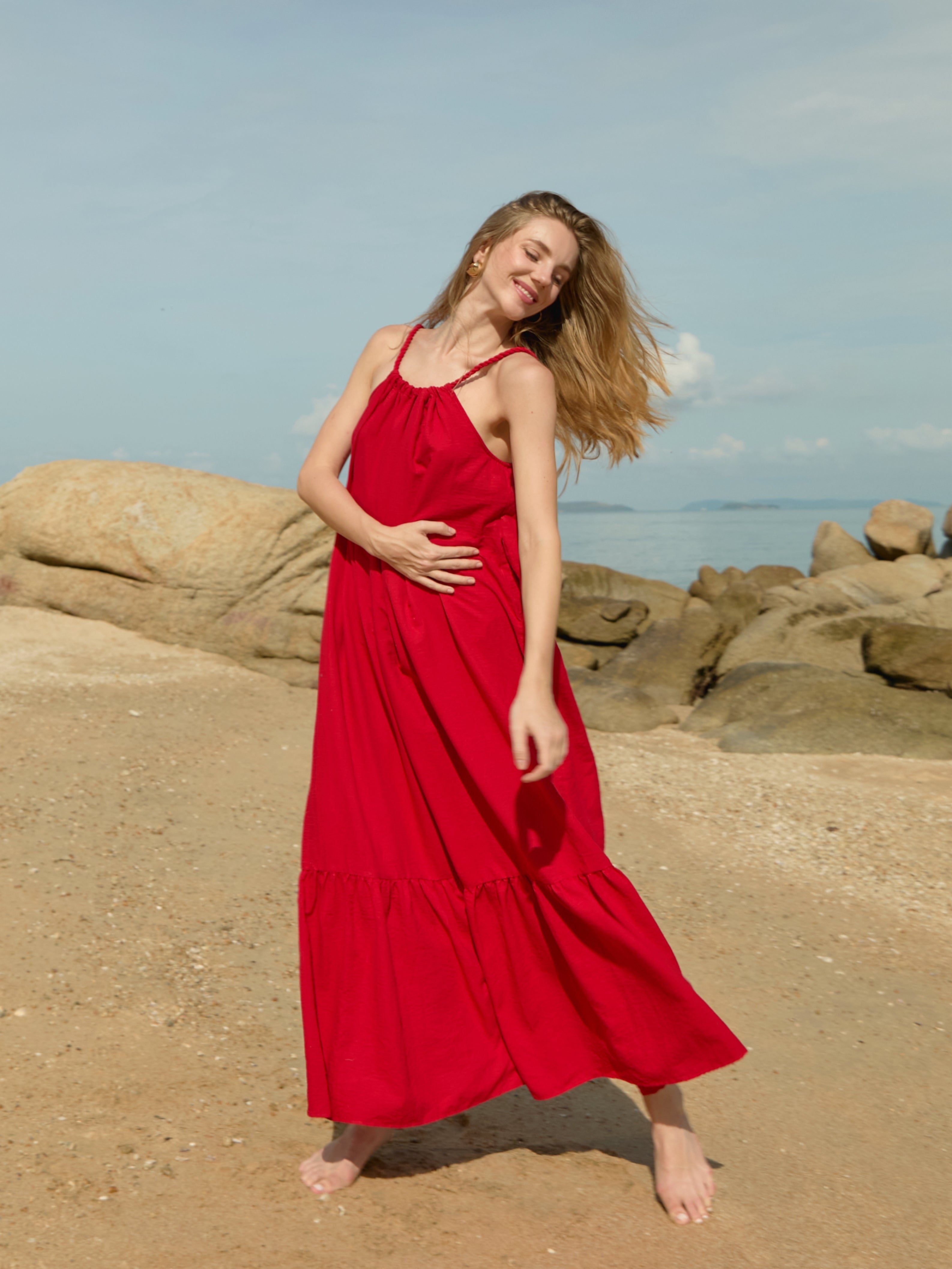
They move easily. They feel comfortable in the heat. They work over a swimsuit, at lunch, or for dinner, with very little effort. That's the feeling we want every COCO DE CHOM® piece to give you — beautiful, free, and ready for wherever the day goes.
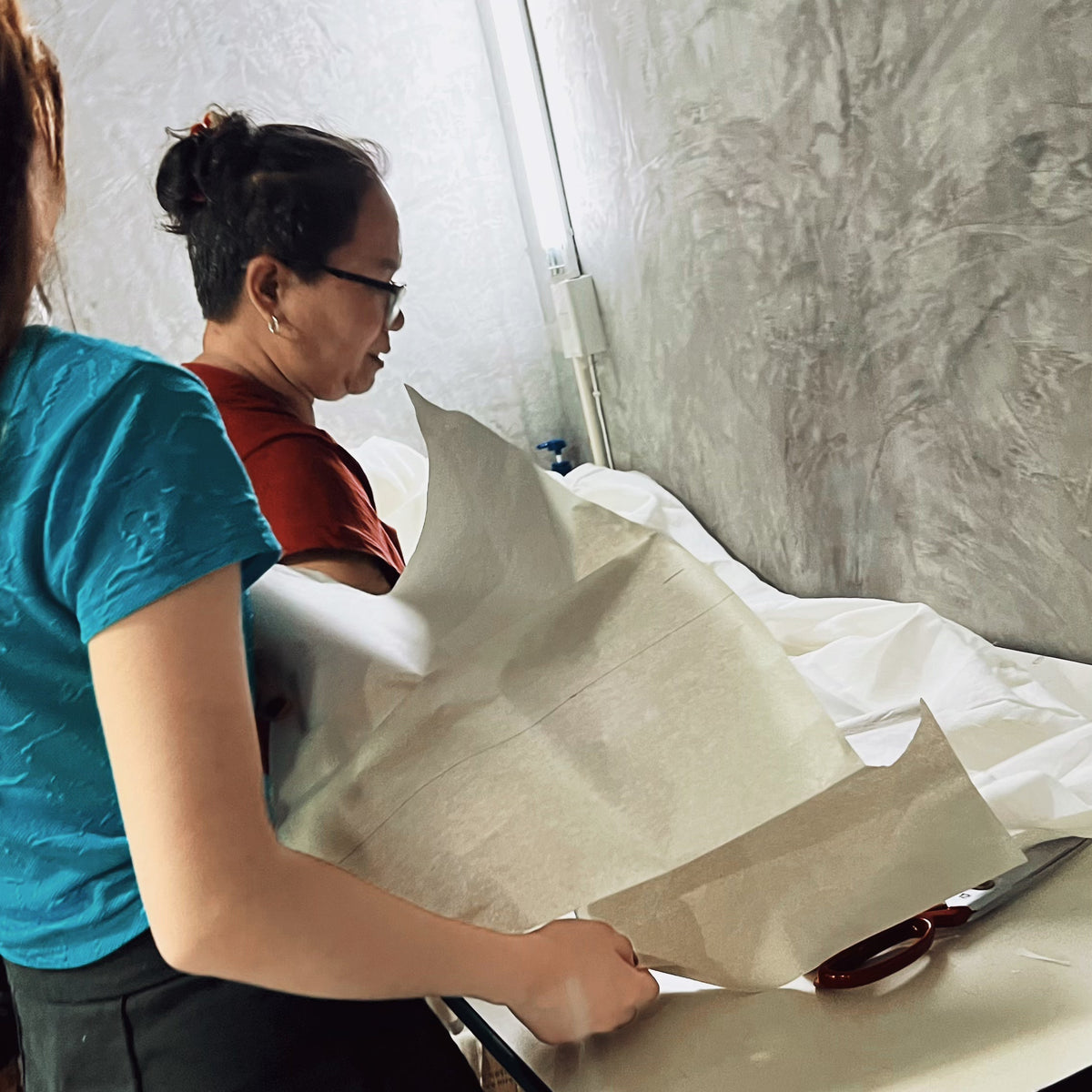
Before a piece reaches your suitcase, though, it has another life. Fabric is unfolded in a small workroom. A sleeve is checked. A hem is adjusted. A sample is tried loose, then shaped. Someone asks whether it will drape well, feel comfortable, and make sense on a real body.
That's where our handmade resortwear begins — not with a perfect campaign, but with people we know, practical conversations, and the time it takes to get an easy piece right.

Handmade begins with the woman who will wear it
COCO DE CHOM began in early 2020 as a mother-daughter business between Thailand and Texas, built around one belief: the joy of vacation should be something you can wear.
For us, handmade isn't decoration added to a story after the clothes are finished — it's part of how a piece becomes wearable. A new design moves through fabric choice, a first sample, a fitting, and the maker's feedback. We look at length, movement, coverage, and how the garment changes when it's worn loose or shaped.
The goal isn't to make the process sound romantic.
The goal is to make a piece that helps you feel beautiful without trying too hard.
What small-batch production means at COCO DE CHOM
Small batch doesn't mean a magic number, and it's never an excuse for fake scarcity. It means we begin at a human scale — testing a fabric or silhouette, learning from the first pieces, listening to customer questions, and deciding what deserves another run.
Sometimes that keeps us from holding more inventory than a small brand can manage. Sometimes it gives us room to improve a design before making more. And sometimes it means a favorite color sells out before we can restock it.
We'd rather explain that honestly than turn a production reality into a countdown clock.
The people behind the pieces
Every collection runs through the hands of a small group of people we've come to know well — some for years. Here's who they are.

Eiw: honest feedback is part of the design
We met Eiw during the COVID years, when we began visiting her home workroom in a small village in Thailand. We developed samples together, talking through the fit and making small adjustments until each piece felt easy and beautiful on the body.
We still visit Eiw almost every year when we're in Thailand. Over time, those visits have grown into something more than work — she feels like family to us, and her honest eye remains central to how COCO DE CHOM pieces take shape.
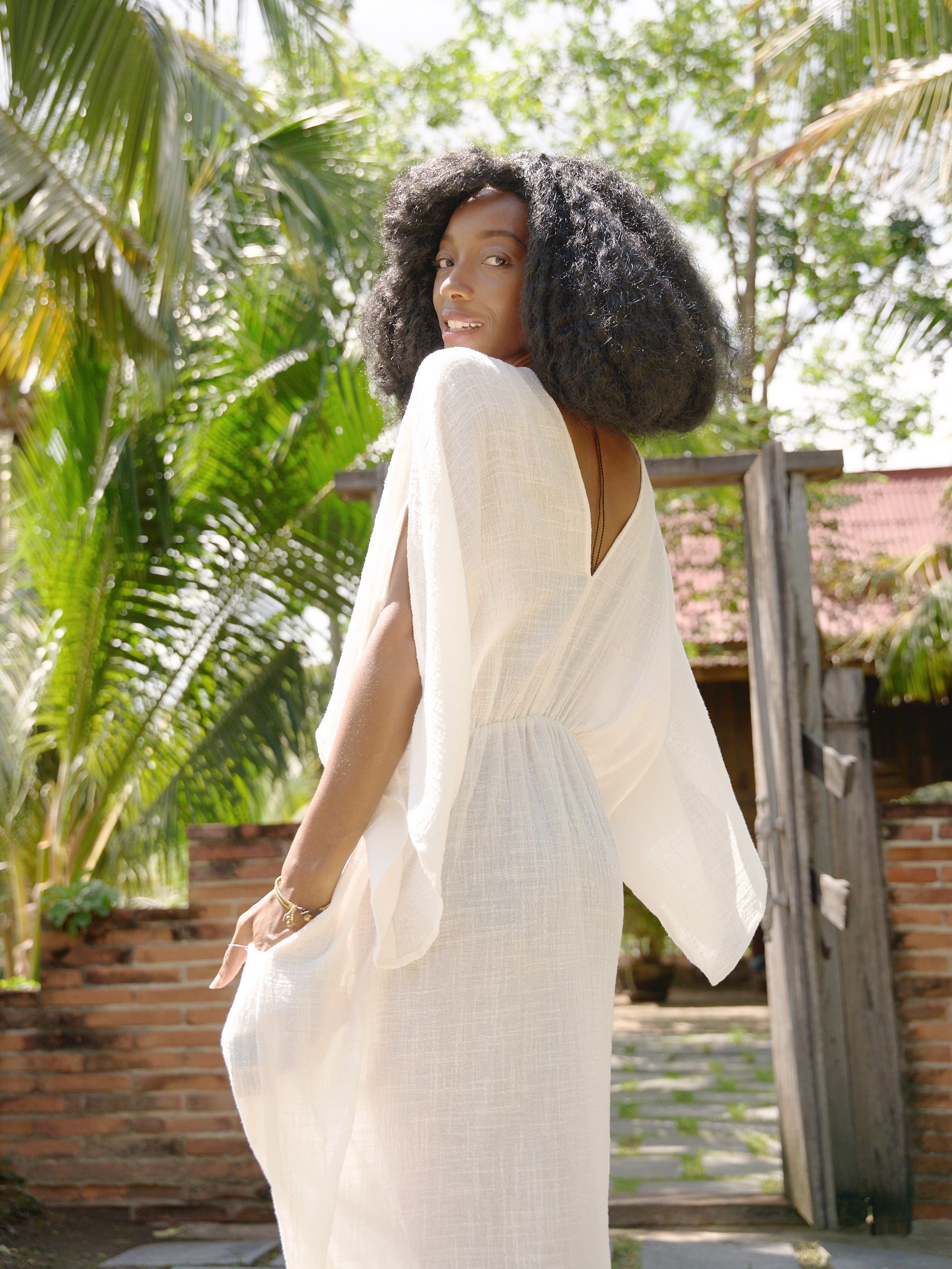
The Helena kaftan grew from this kind of collaboration, refined through conversation, fitting, and careful changes to how the fabric falls and moves with the body.
Later, when the Sunset maxi dress sold quickly and we wanted to make another small batch, Eiw told us she needed to step away for a while. We waited.
Now Eiw is back, and we've returned to the familiar rhythm of conversation, fitting, and honest feedback. More than anything, we're happy to welcome back someone who feels like family.
Making clothes with people means respecting the lives they lead beyond production. Their time is part of the process. For us, that's what handmade actually means: personal relationships, honest collaboration, and pieces made at a human pace.


Jitra: precision, experience, and a new chapter
Jitra, Chom's aunt, ran her own clothing shop before shifting to alterations work from home. We first asked her to make a small group of cropped pieces. Her finishing was beautiful, so the collaboration grew.
Jitra is 70, and clear that she'll work only as long as it continues to feel right for her. That limit doesn't make her less valuable to the brand — it makes her judgment and her time more visible.
One sentence from her daughter has stayed with us: “My mom seems happier now. She wakes up with purpose again.” It's a tender part of the story, but Jitra isn't here as a symbol. She's here because she knows how to make clothes well, and because we enjoy building something together.


Riem: years of dressmaking knowledge, still in motion
Riem ran a small dressmaking shop for many years, making clothes for customers who chose their own fabric and waited for something personal. As shopping moved online, fewer people used local dressmakers that way.
What Riem brings to COCO DE CHOM isn't nostalgia — it's practiced knowledge: how fabric behaves, how to finish a garment cleanly, how small adjustments change the way a piece feels. We bring current designs and customer feedback. She brings experience we can't manufacture quickly. The work is useful on both sides, and the clothes are better for it.


Kasorn: one fabric shop, one small test
The people behind a piece aren't only the people who sew it. Kasorn runs a fabric shop that's been open for more than 40 years. When we found a viscose there for our SS26 collection, neither of us knew exactly how customers would respond.
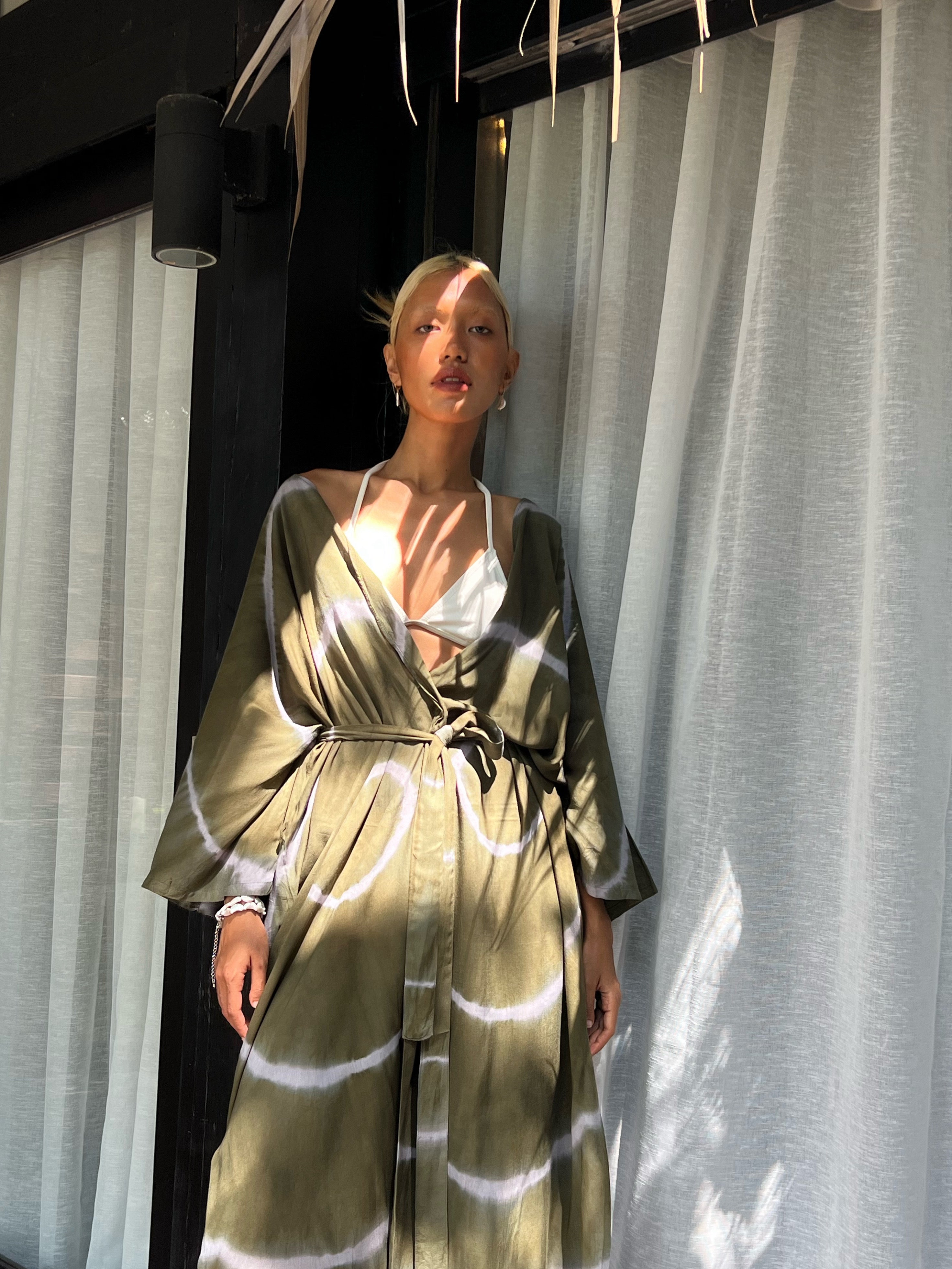
So we started with a small run. That fabric became part of pieces including the Sunrise kimono robe and Sunset maxi dress. Customers responded well, and the test gave us evidence to guide the next decision without committing to a large volume first.
That's the kind of production story we want to tell: specific, imperfect, and connected to what the customer actually experiences in the finished piece.
Why a restock can take longer
A sold-out style can look like a simple inventory problem from the outside. Inside a small-batch business, it may involve fabric availability, a maker's capacity, another round of quality checks, or a decision about whether the same material still works.
Workroom note — a slow restock shouldn't lower your confidence. It should come with a clear explanation. When a piece returns, we want it to return because the fabric, fit, and production plan still make sense, not because a trend told us to hurry.
What the human story adds
You should never have to buy a COCO DE CHOM piece out of guilt. First, it has to work for you. You need to know how it fits, what the fabric feels like, how much coverage it gives, and where you'll wear it.
Then the maker story adds something deeper. You can see the judgment behind a sleeve, the experience behind a clean finish, and the relationship behind a small run. Tiny variations stop feeling like a flaw hidden from you — they become part of an honest expectation of handmade work.
We make the clothes with people we know. You give them a life: packed for a warm-weather trip, worn from pool to lunch, dressed up for dinner, or repeated at home because the shape already feels like yours.

That's vacation, made human.