
Our Sustainability Practices
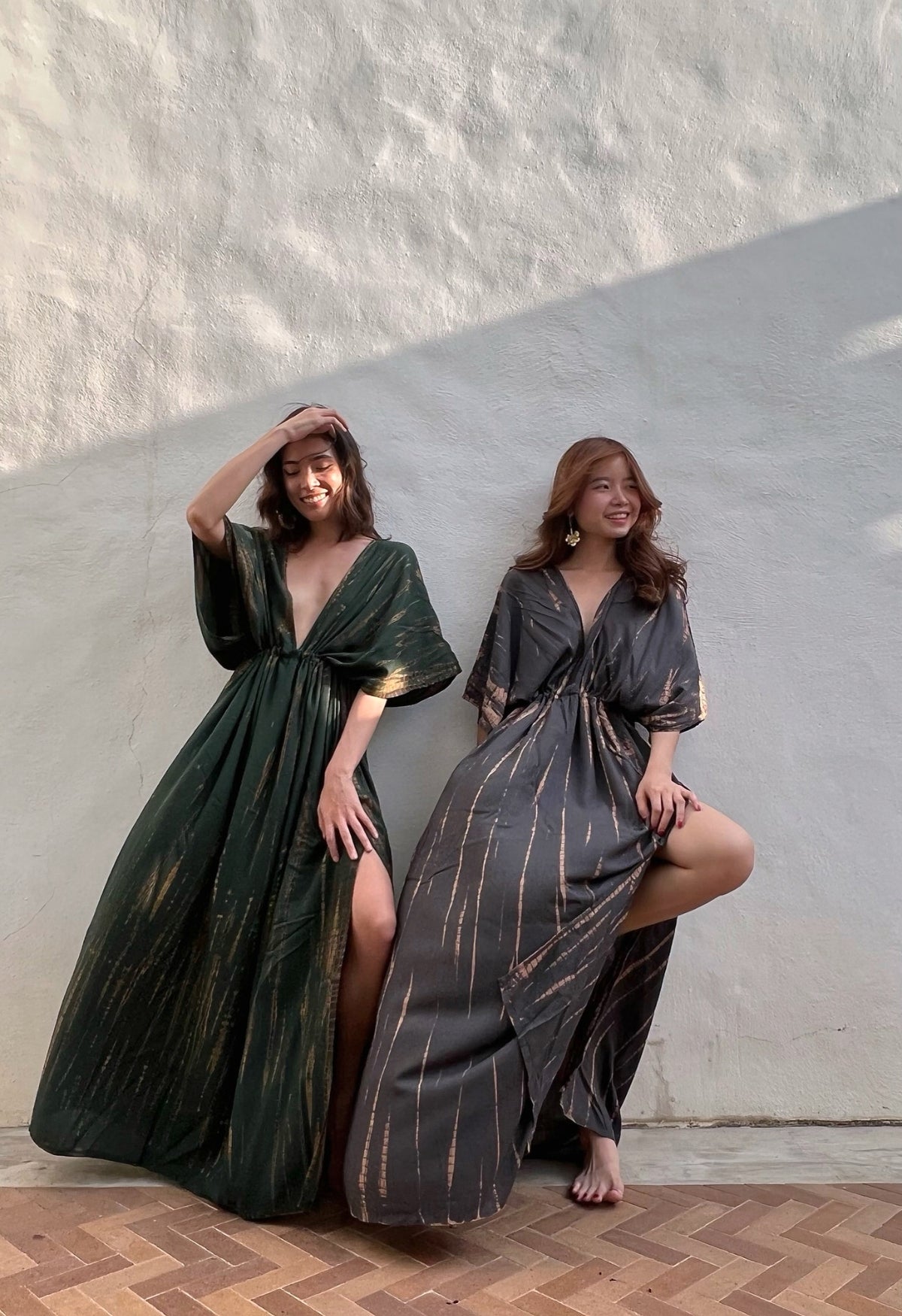
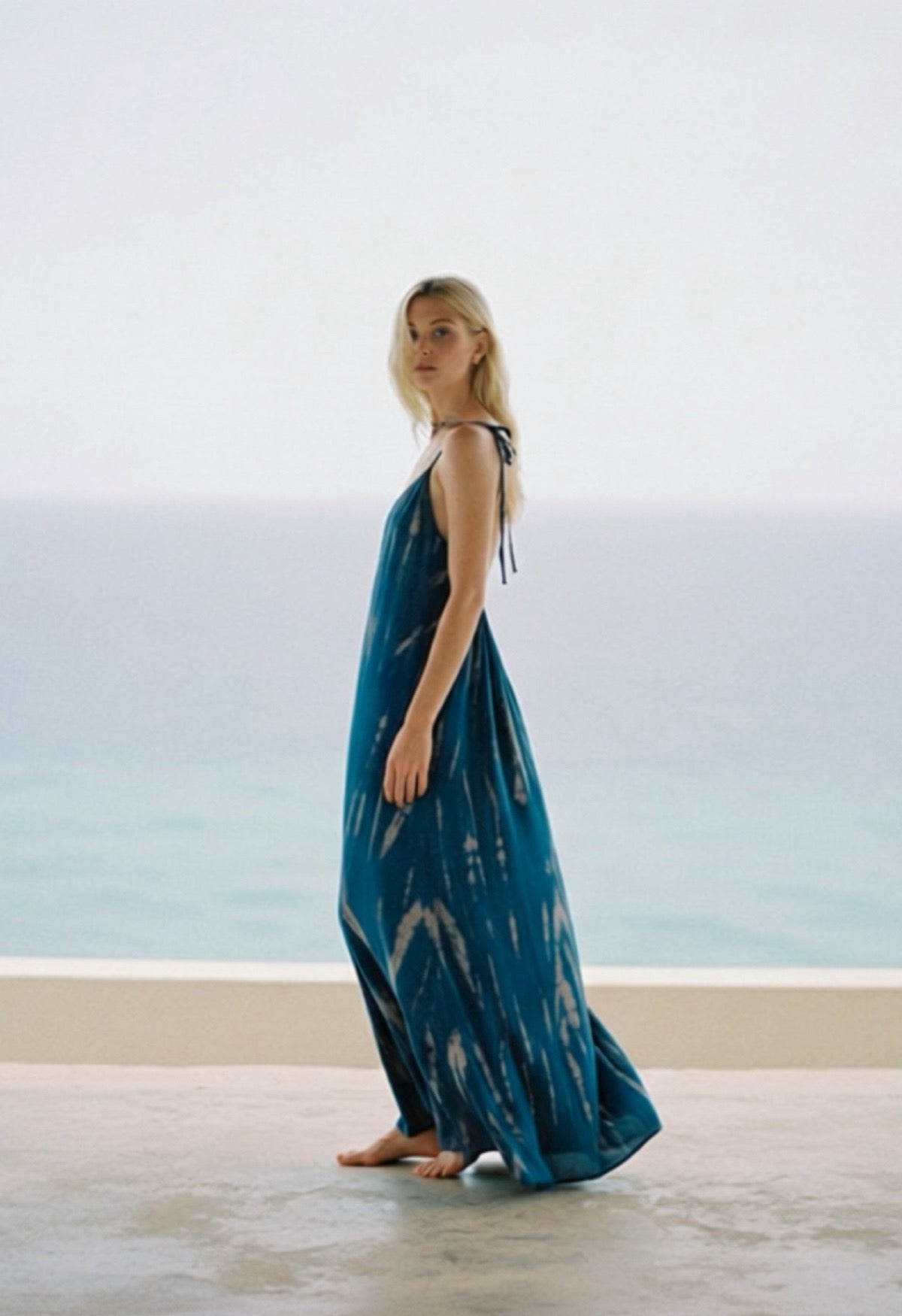
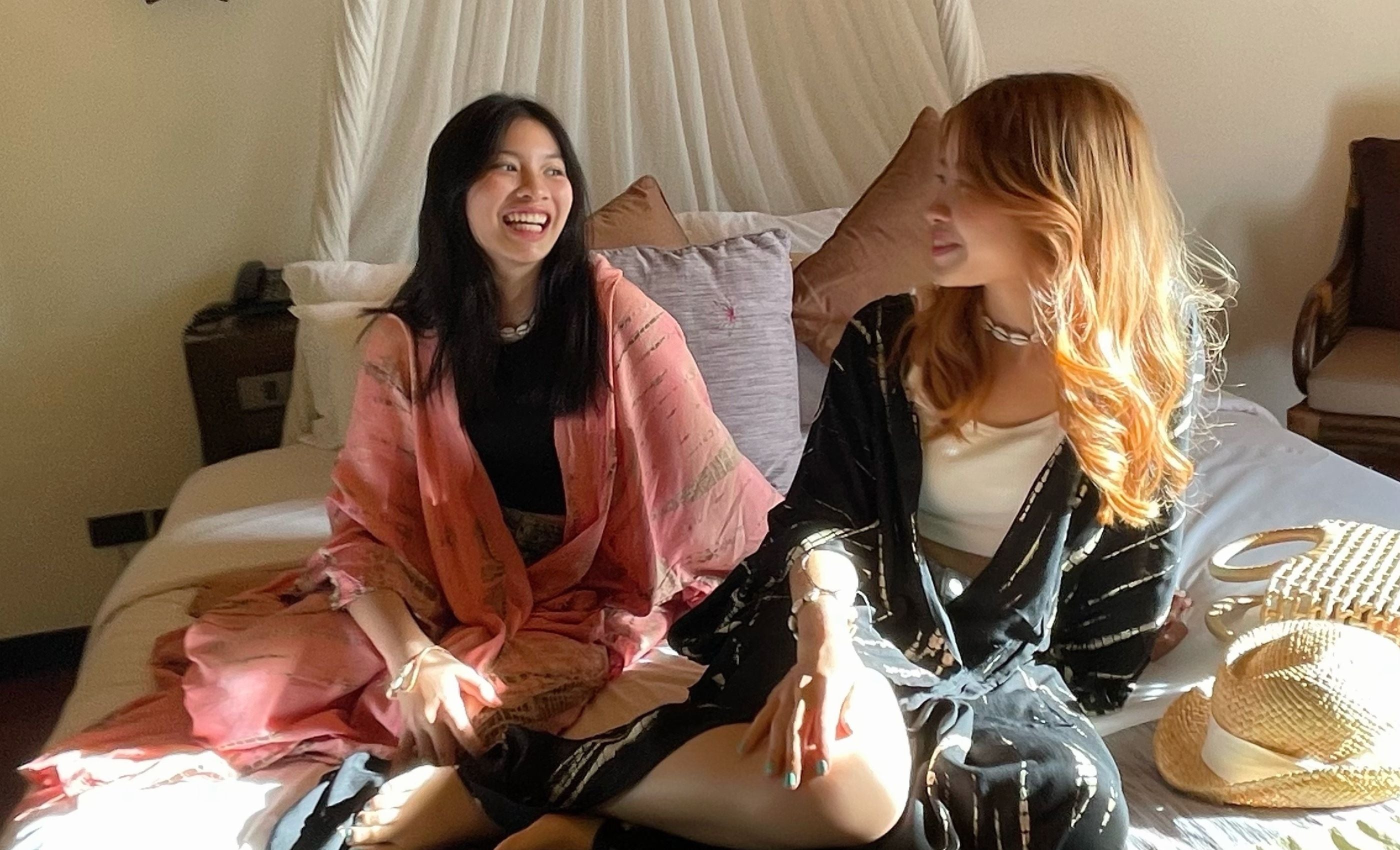
Beautiful vacation clothes are only part of our story at COCO DE CHOM. We also care about the people who make them, the communities connected to our work, and the choices we make as a small brand.
We don't claim to be a sustainable brand, or a slow fashion brand. Instead, we commit to being the most responsible version of ourselves, and to getting better at it every day.
Last updated: September 2026
For us, sustainability is a journey, not a destination. It's a constant process of learning, adapting, and improving, which is why the sections below focus on specific things we actually do, not a label we put on ourselves.
These are the 6 practical steps
we're taking to achieve our sustainability goals in every part of our business:
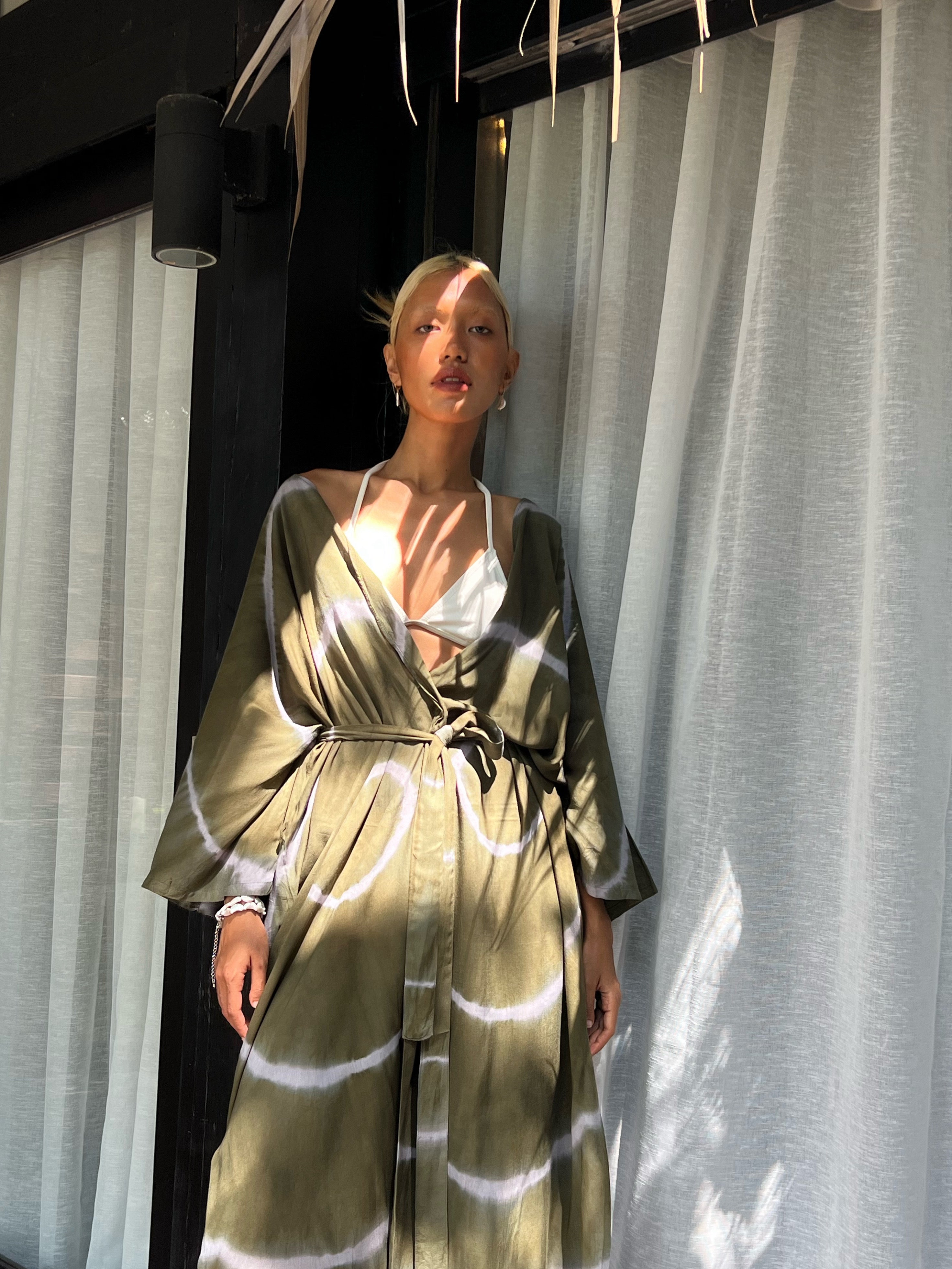
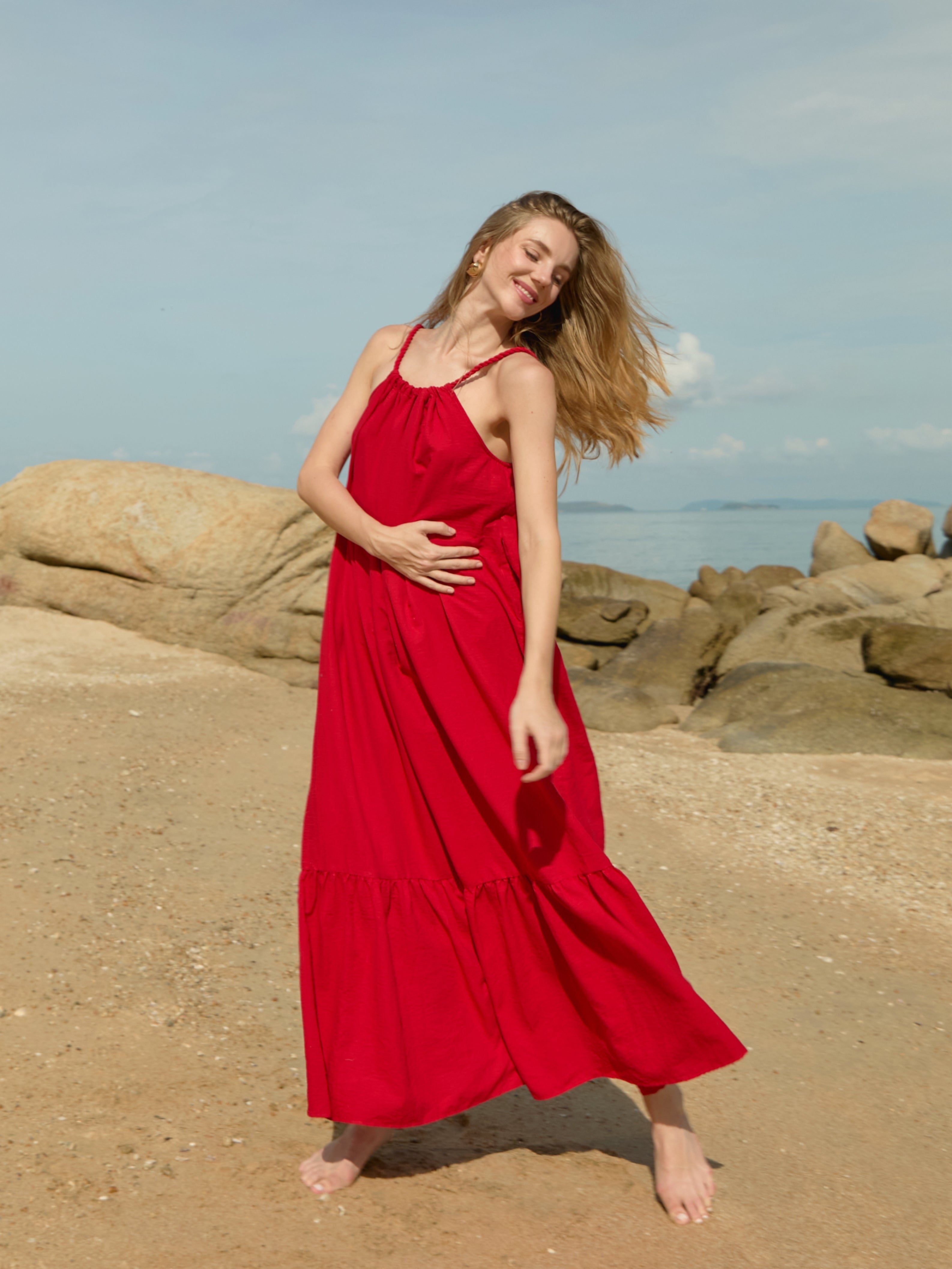
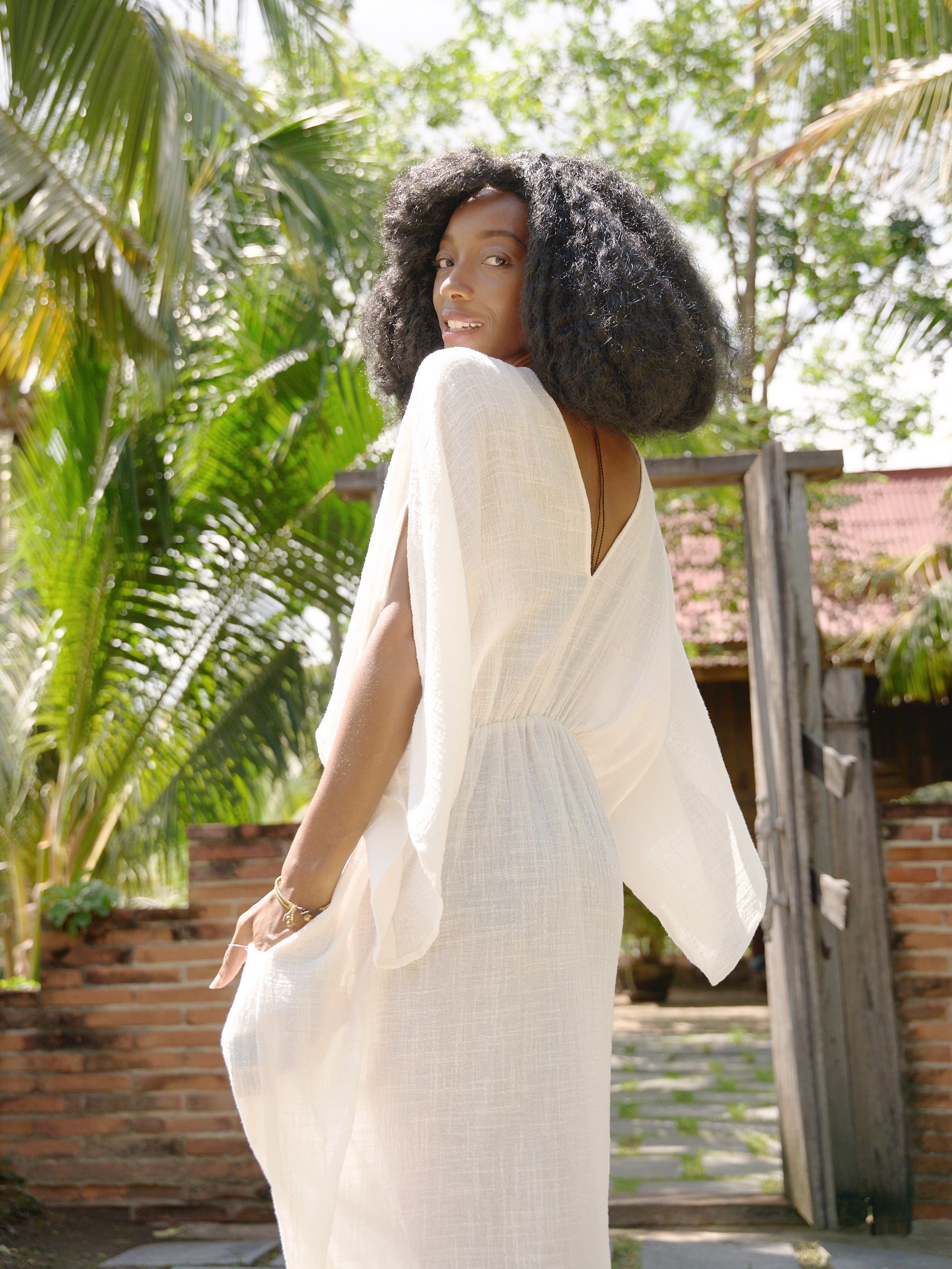
COCO DE CHOM collections are produced in limited quantities rather than at mass-market scale. We begin with smaller runs, learn from customer feedback, and thoughtfully decide which styles should return.
Small-batch production does not make a garment impact-free, but it helps us make more considered production decisions and limit excess inventory. It also gives us room to improve a design before producing another batch.
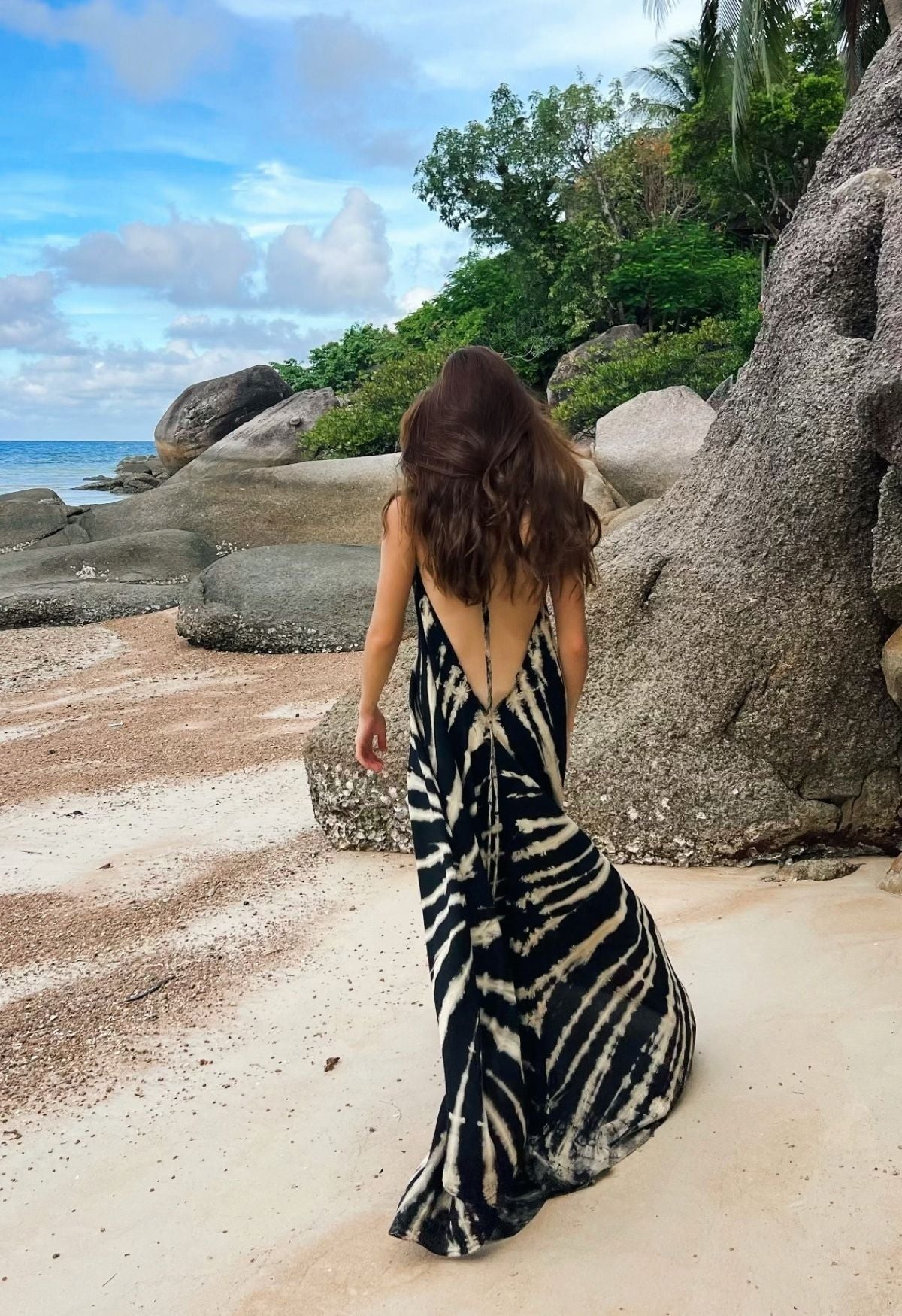
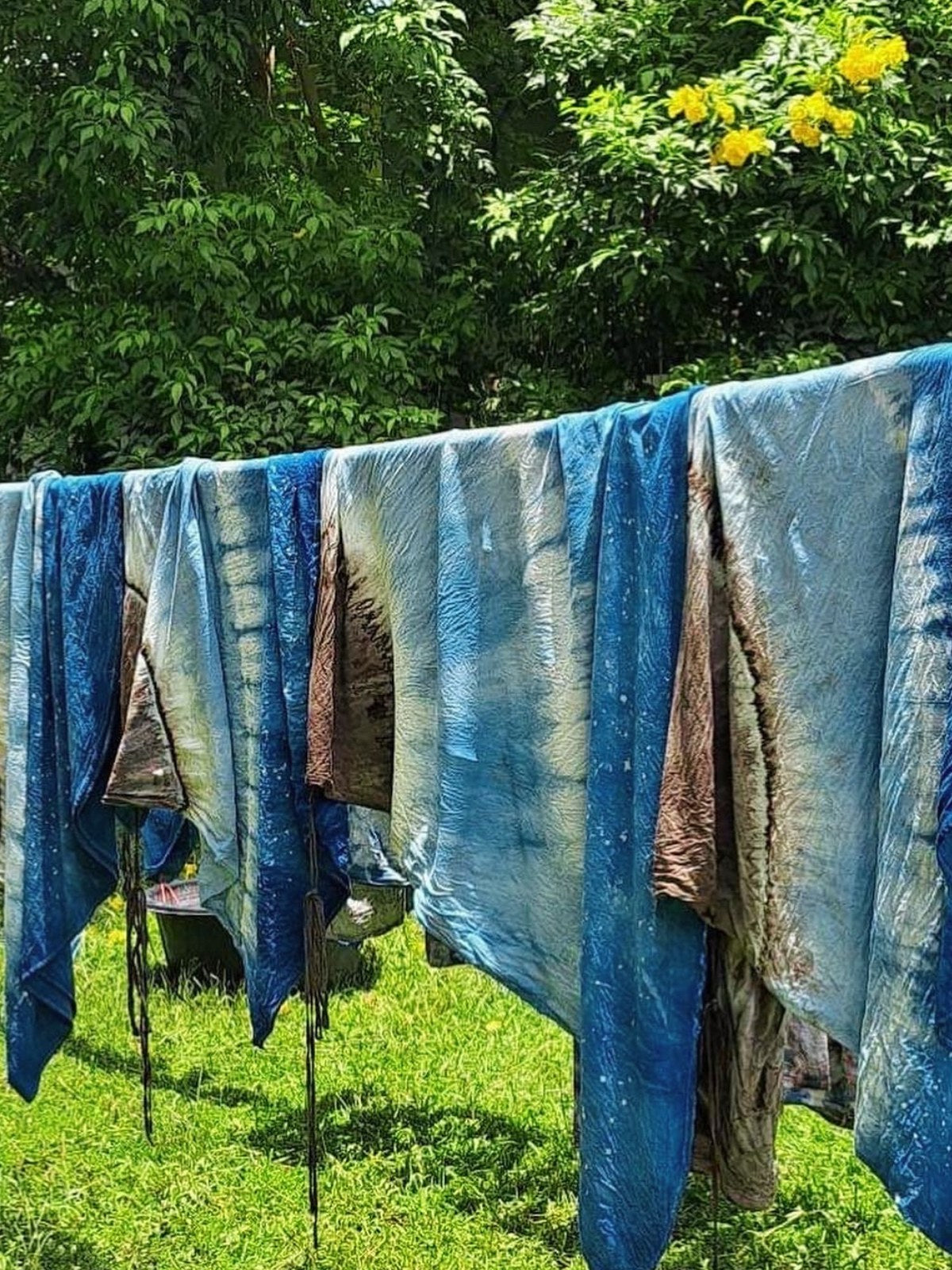
Because many pieces involve hand-dyeing, hand-printing, or hand-finishing, slight differences in color and placement may occur. These variations are a natural part of the handmade process.
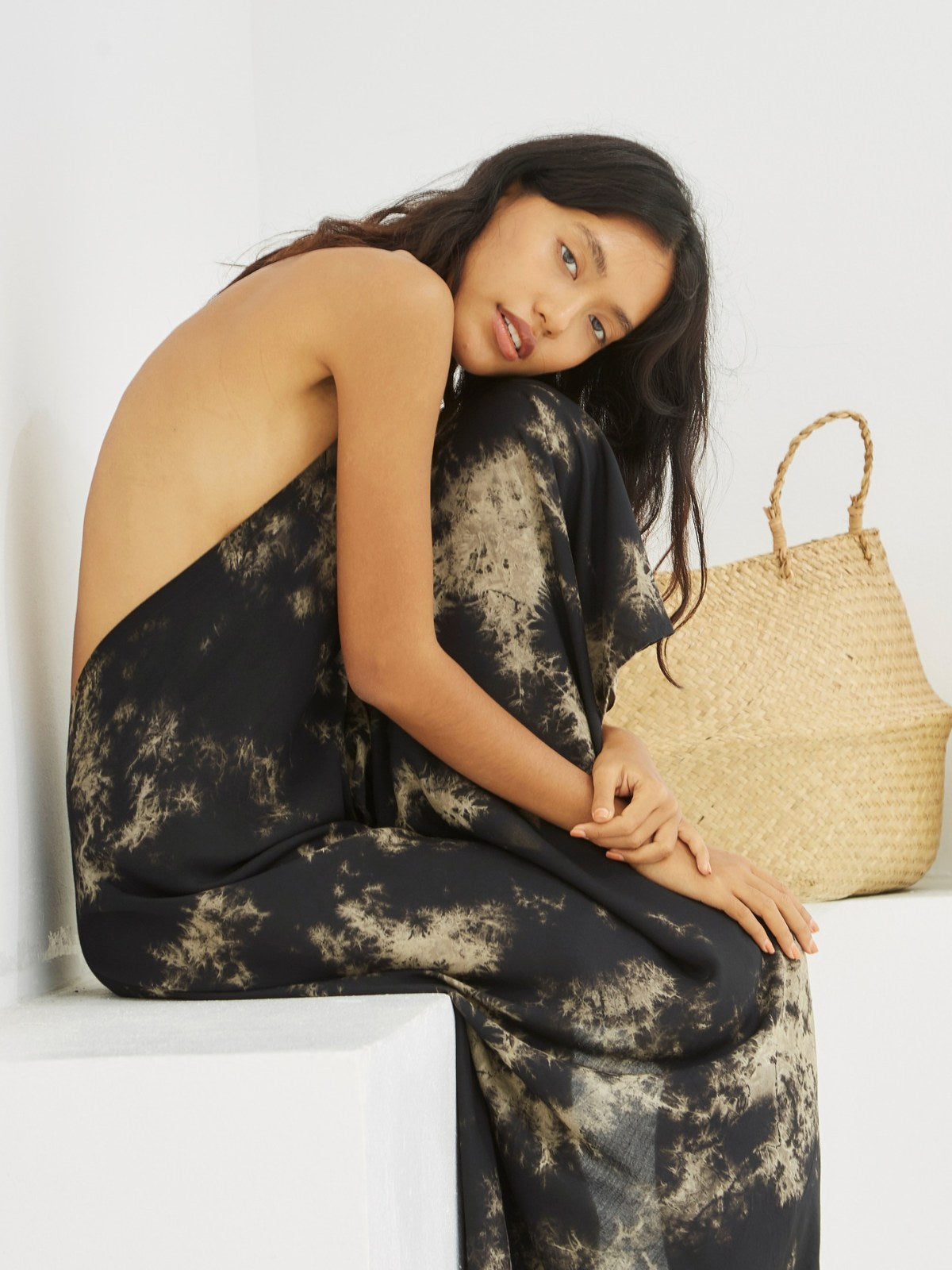
Fashion doesn't have to mean chasing every trend. We design pieces meant to be worn again, on vacation and at home, across seasons, not packed away after one wear.
That's a design choice, not a guarantee about how long any single piece lasts — fabric, fit, and care all factor in, which is why care instructions are on every product page.
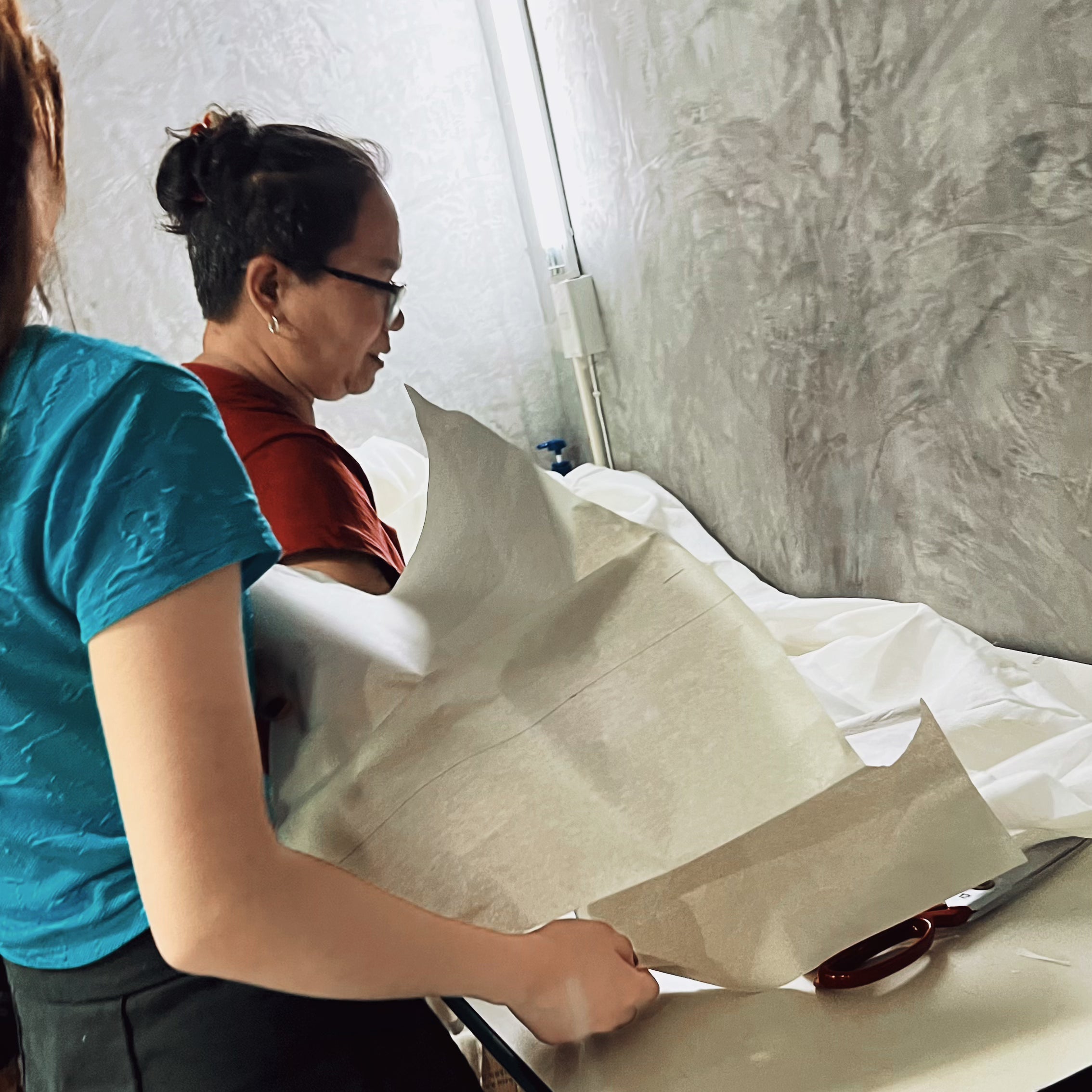
Our collections are designed in Dallas and currently handmade primarily in Thailand, with a few earlier styles made in India.
We work directly with independent makers and small workshops through relationships developed over time. Their experience, feedback, and knowledge of fabric help shape how each garment fits, moves, and feels.
During COVID, our early production helped create paid work for many maker families in Thailand. That experience continues to shape our belief that clothing should be made through human relationships, not treated as anonymous production.
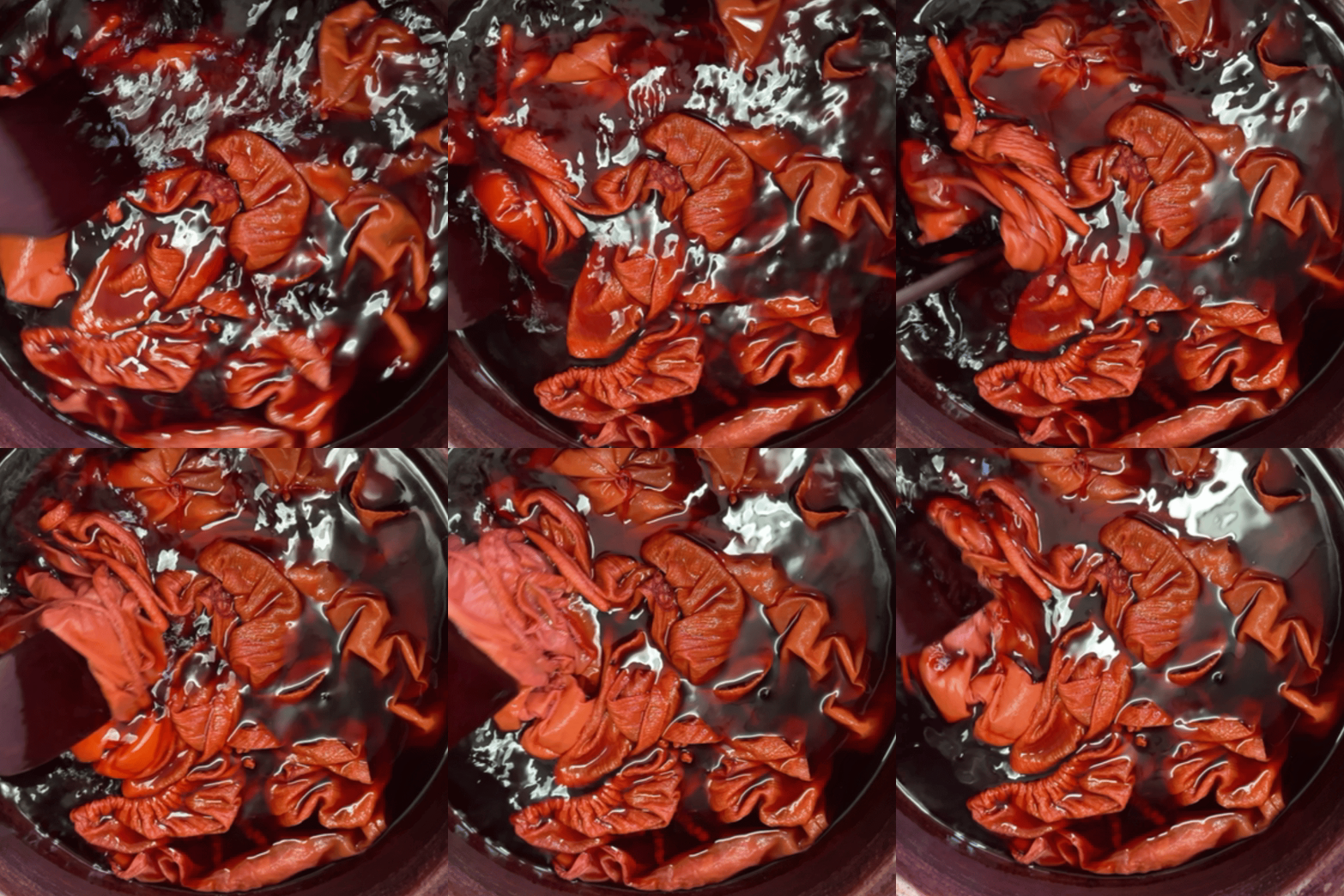
Materials vary by style and can include rayon, viscose, cotton, and linen. Some pieces are hand-dyed or hand-block printed, while others use different production methods.
We do not call a material sustainable or responsible based only on the name of its fiber. Each product page identifies the garment's composition and care instructions so customers can make a more informed choice.
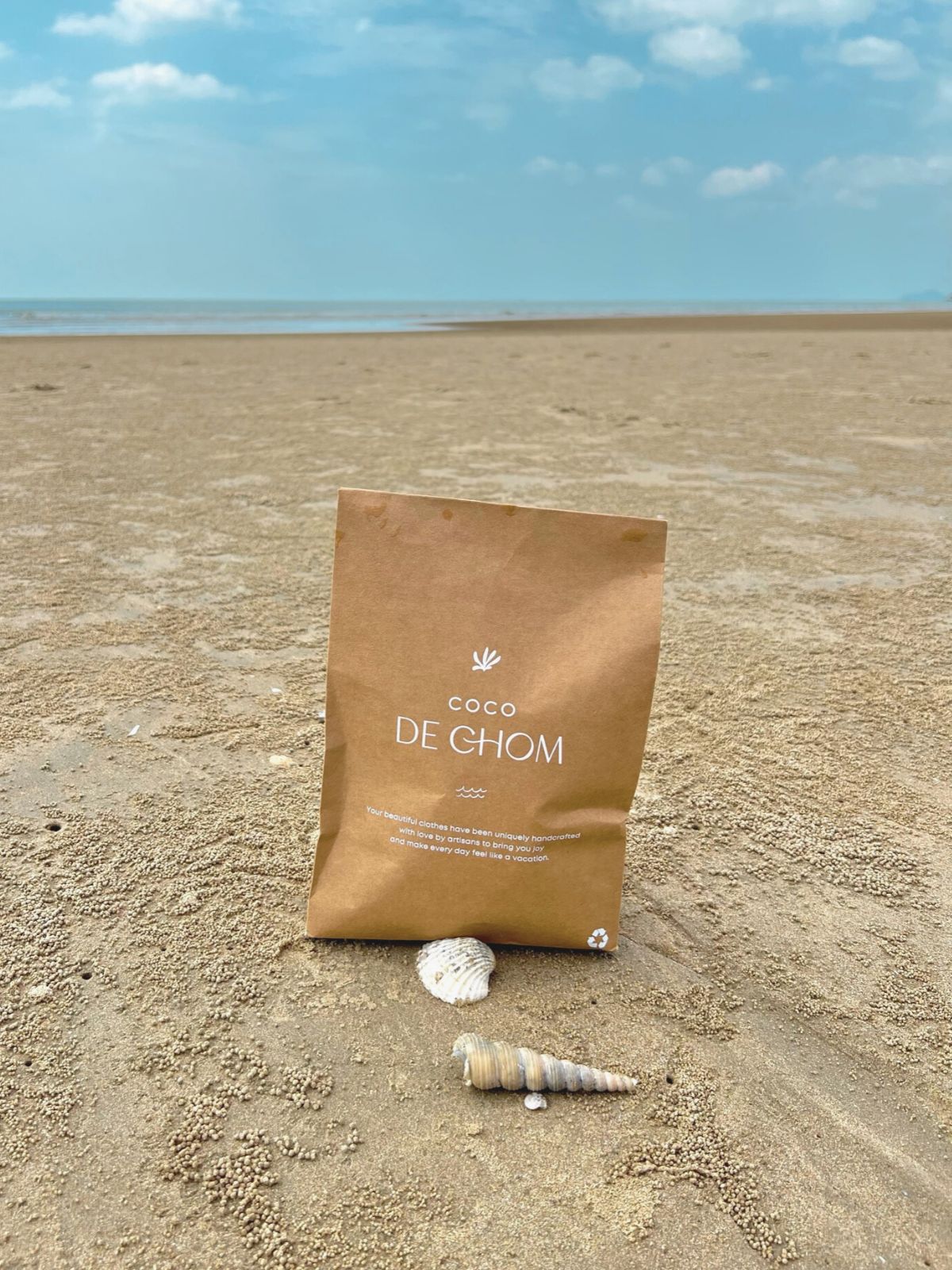
We've moved away from crafted boxes and tissue paper for a lighter, smaller package, since less weight means less fuel to ship it.
We ship in three mailer types: about 80% in a recycled-plastic mailer from a GRS-certified supplier (we're renewing that certification for our own orders), a smaller share in a second, recyclable-but-uncertified plastic mailer, and the rest in craft paper. Our thank-you card is printed locally in the US to keep its travel distance short, not for cost.
Packaging varies by garment, order, and destination, so this isn't a claim about every box. We keep cutting what's unnecessary.
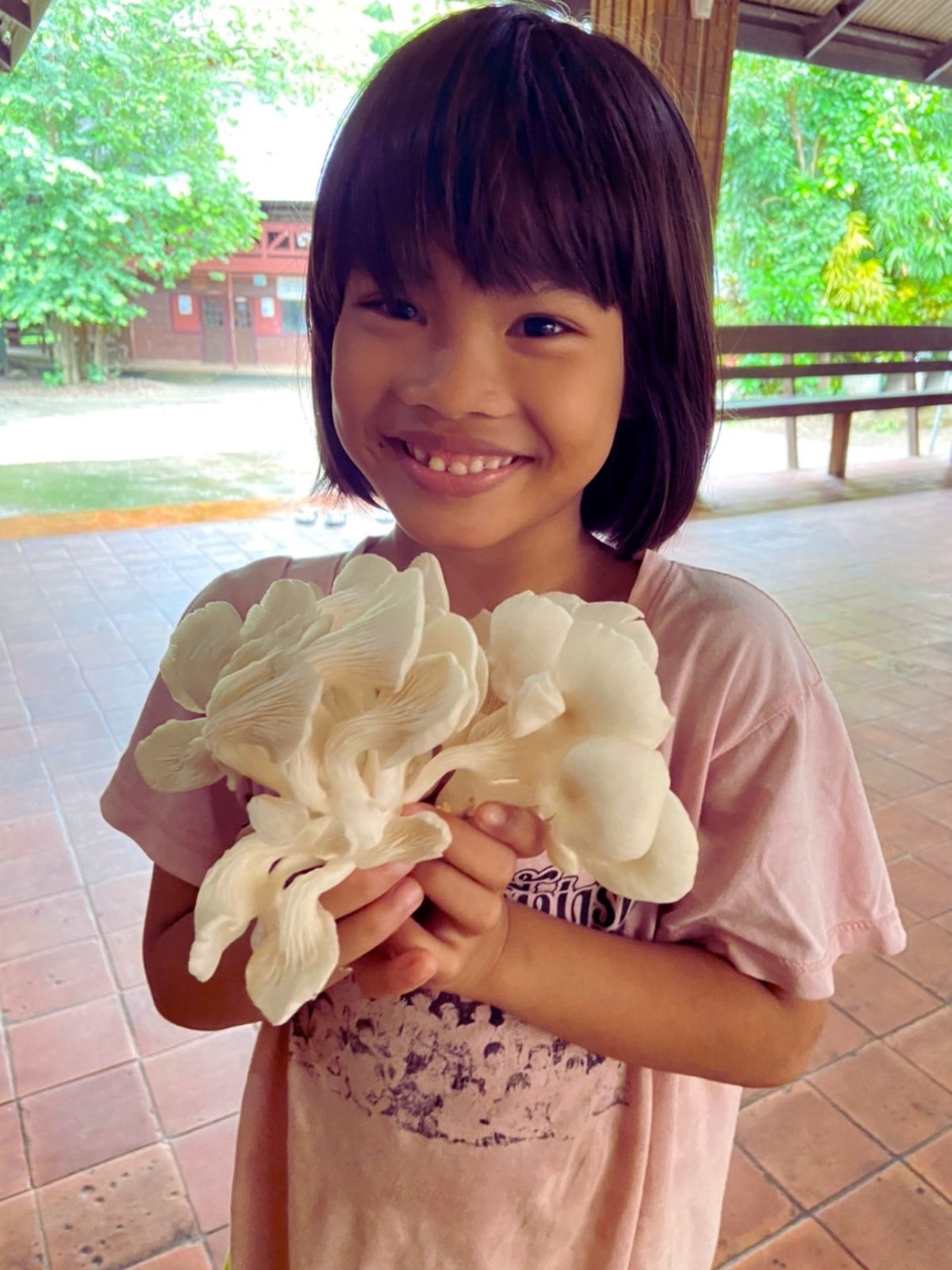
For five years, we've supported a little farm at Foundation for Children in Thailand (Moo Baan Dek school): vegetable beds, mushroom growing, and chickens, among other projects. It's real, hands-on work, and something we're proud of.
Looking ahead, we want to build this further, together with the school rather than for it. Whenever we can visit Thailand in person, or by talking directly with the school in the meantime, we'd like to grow the little farm into more of what feeds the kids long-term, like a mushroom house or a vegetable-and-egg setup the kids help take care of themselves.
We support specific projects rather than claiming that a fixed portion of every purchase is automatically donated. As projects are completed and confirmed, we'll keep sharing what was funded and what it achieved.
This is our community, and we're proud to be part of it.
COCO DE CHOM collections are produced in limited quantities rather than at mass-market scale. We begin with smaller runs, learn from customer feedback, and thoughtfully decide which styles should return.
Small-batch production does not make a garment impact-free, but it helps us make more considered production decisions and limit excess inventory. It also gives us room to improve a design before producing another batch.
Because many pieces involve hand-dyeing, hand-printing, or hand-finishing, slight differences in color and placement may occur. These variations are a natural part of the handmade process.
Fashion doesn't have to mean chasing every trend. We design pieces meant to be worn again, on vacation and at home, across seasons, not packed away after one wear.
That's a design choice, not a guarantee about how long any single piece lasts — fabric, fit, and care all factor in, which is why care instructions are on every product page.
Our collections are designed in Dallas and currently handmade primarily in Thailand, with a few earlier styles made in India.
We work directly with independent makers and small workshops through relationships developed over time. Their experience, feedback, and knowledge of fabric help shape how each garment fits, moves, and feels.
During COVID, our early production helped create paid work for many maker families in Thailand. That experience continues to shape our belief that clothing should be made through human relationships, not treated as anonymous production.
Materials vary by style and can include rayon, viscose, cotton, and linen. Some pieces are hand-dyed or hand-block printed, while others use different production methods.
We do not call a material sustainable or responsible based only on the name of its fiber. Each product page identifies the garment's composition and care instructions so customers can make a more informed choice.
We've moved away from crafted boxes and tissue paper for a lighter, smaller package, since less weight means less fuel to ship it.
We ship in three mailer types: about 80% in a recycled-plastic mailer from a GRS-certified supplier (we're renewing that certification for our own orders), a smaller share in a second, recyclable-but-uncertified plastic mailer, and the rest in craft paper. Our thank-you card is printed locally in the US to keep its travel distance short, not for cost.
Packaging varies by garment, order, and destination, so this isn't a claim about every box. We keep cutting what's unnecessary.
For five years, we've supported a little farm at Foundation for Children in Thailand (Moo Baan Dek school): vegetable beds, mushroom growing, and chickens, among other projects. It's real, hands-on work, and something we're proud of.
Looking ahead, we want to build this further, together with the school rather than for it. Whenever we can visit Thailand in person, or by talking directly with the school in the meantime, we'd like to grow the little farm into more of what feeds the kids long-term, like a mushroom house or a vegetable-and-egg setup the kids help take care of themselves.
We support specific projects rather than claiming that a fixed portion of every purchase is automatically donated. As projects are completed and confirmed, we'll keep sharing what was funded and what it achieved.
This is our community, and we're proud to be part of it.
What We're Still Working On
We are continuing to:
- Renew and obtain current, order-specific certification for our recycled-plastic mailer supply
- Improve how we document material sourcing and production information
- Explore packaging options that use less unnecessary material
- Learn how to assess shipping impact before making environmental claims
- Report community projects with clearer, confirmed details
Sustainability is not a finished label. It is an ongoing practice.
Frequently Asked Questions
What does small-batch production mean?
Small-batch production means we begin with limited quantities instead of producing at mass-market volume. Customer feedback, fabric availability, and maker capacity help us decide whether a style should be produced again.
Is COCO DE CHOM a sustainable fashion brand?
We do not describe our entire brand or every garment as sustainable. Our approach to sustainable fashion focuses on specific practices we can explain, including small-batch production, direct relationships with independent makers, minimal packaging, and support for specific community projects.
Where is COCO DE CHOM clothing made?
COCO DE CHOM collections are designed in Dallas and currently handmade primarily in Thailand. A small number of earlier styles were made in India. Ready-to-ship orders leave from our Dallas studio.
Does handmade automatically mean sustainable?
No. Handmade describes how a garment is made; it does not prove its complete environmental impact. We use "handmade" to describe our production process and relationships with makers, not as a blanket sustainability claim.
What packaging does COCO DE CHOM use?
We moved away from crafted boxes and tissue paper to keep packages lighter and smaller, which means less fuel used to ship them. About 80% of orders ship in a recycled-plastic mailer from a GRS-certified supplier (we're working to renew and obtain order-specific documentation). A smaller share ship in a second, recyclable plastic mailer without recycled-content certification, and the remainder ship in craft paper mailers. Our thank-you card is printed locally in the US to keep its shipping distance short. Packaging may vary according to the garment, order size, and destination.
Does every purchase include a charitable donation?
Not automatically. COCO DE CHOM supports specific community projects rather than promising that a fixed portion of every order is donated. We share confirmed project information as it becomes available.
Does COCO DE CHOM follow slow fashion practices?
We don't label ourselves a slow fashion brand. But we design with the same idea in mind: fewer, more versatile pieces meant to be worn again rather than chased for one trend and discarded.
Meet Our Makers
Discover the people, skills, and relationships behind our small-batch resortwear.
Meet the makers behind COCO DE CHOM →
Our Story
Learn how a mother-and-daughter idea between Thailand and Texas became COCO DE CHOM.
Read our story →